




Designing Quarterly Planning that Connects Strategy to Delivery

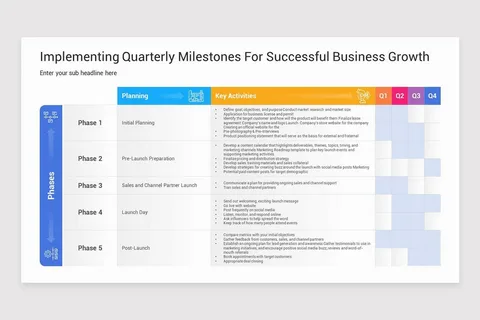
Quarterly planning bridges long-term strategy and weekly execution. Effective planning clarifies priorities, sequences initiatives, and aligns capacity with outcomes. Outcome-Focused GoalsDefine success in measurable terms. Limit work in progress to protect throughput. Dependency MappingVisualize cross-team…


Designing Microbreaks to Reduce Workday Fatigue

Microbreaks restore attention and reduce musculoskeletal strain during long work sessions. Brief, frequent pauses outperform infrequent long breaks for sustaining performance. Break DesignShort walks, posture resets, and eye rest counter static loads. Timers prompt consistent…

Building Consistent Hydration Habits

Hydration influences circulation, cognition, and thermoregulation. Mild dehydration erodes focus and perceived energy long before thirst becomes obvious. Consistency matters more than perfect targets, especially during busy days. Habit AnchorsPair water intake with routine cues…

Designing Backward-Compatible APIs for Long-Term Stability

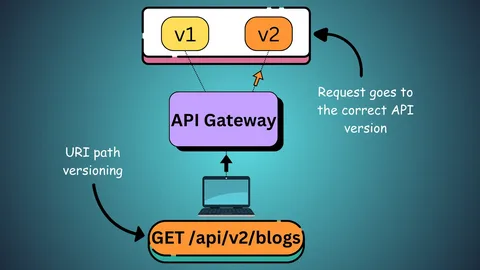
Backward compatibility preserves trust as APIs evolve. Breaking changes disrupt partners and internal teams, creating hidden costs and slowing adoption. Stable contracts and disciplined versioning enable innovation without fragmenting ecosystems. Compatibility PoliciesDefine what constitutes breaking…

Designing Graceful Degradation for High-Traffic Services

High-traffic services must remain useful even when parts of the system fail or saturate. Graceful degradation prioritizes core user value while temporarily reducing nonessential features. Instead of aiming for perfect uptime, teams design fallback behaviors…